



Central West Queensland Region
Quicklinks
Pages in this section:
Our Central West Queensland Region includes placement sites across Longreach, Blackall, Winton, Barcaldine and Alpha.
Longreach
Longreach, situated in Central Western Queensland, serves as a vibrant hub for students seeking practical experience in rural and remote health. The JCU Centre for Murtupuni Rural & Remote Health (MCRRH) offers comprehensive facilities to support students during their placements in this unique outback region

Accommodation
The Longreach accommodation is a well-equipped modern 10 bedroom house with access to;
- Single bedrooms with shared bathroom facilities
- 2 large bathrooms including disabled bathroom access
- Large kitchen and lounge area
- Laundry and clotheslines
- Beautiful gardens and entertainment deck including BBQ
- just meters from Longreach Hospital
Check out the VR tour here
Facilities
The Longreach site is equipped with:
- Accommodation: Students are provided with comfortable fully furnished, self-contained facilities designed for comfort and convenience. A link for a virtual tour of the accommodation is https://www.crrh.jcu.edu.au/students/student-placements/virtual-tours/.
- Teaching Rooms: Modern classrooms to facilitate interactive learning sessions.
- Eduroam Wi-Fi: Reliable internet access for academic and personal use.
- Simulation Clinical Skills Rooms: State-of-the-art simulation rooms to practice and enhance clinical skills.
- Video and Teleconferencing Facilities: Advanced communication tools to connect with peers and professionals remotely.
For more information or to arrange a placement, contact the MCRRH Multi-Disciplinary Training Facilitator on 0407 427 252 or via email at centralwestplacements@jcu.edu.au. Please refrain from contacting outreach accommodation sites directly.
Forms and Documents
All students must complete mandatory pre-placement requirements, including health screening, cultural training, and relevant workplace documentation. Contact our team for details on required forms and compliance documents.
About Longreach
Longreach is renowned for its rich cultural heritage and iconic attractions:
- Australian Stockman's Hall of Fame: A tribute to the pioneers of the Australian outback, offering insights into the lives of stockmen and rural communities.
- Qantas Founders Museum: Celebrating the origins of Australia's national airline, with exhibits showcasing aviation history.
- Thomson River Cruises: Experience the serene beauty of the outback with sunset cruises that highlight the region's natural landscapes.
- Cobb & Co. Stagecoach Rides: Relive history with gallops through the scrub on a traditional stagecoach.
The town also offers amenities such as outdoor and heated indoor pools, ensuring a comfortable stay for visitors.
Visitor Information
For additional details on local attractions, accommodations, and events, the Longreach Explore Centre is a valuable resource:
- Address: 99A Qantas Park, Eagle Street, Longreach
- Phone: (07) 4658 4141 or (07) 4658 4142
- Email: experience@longreach.qld.gov.au
Operating hours vary seasonally, so it's advisable to check ahead when planning your visit.
Climate Considerations
Longreach experiences high temperatures from mid-October through March. The optimal time to visit is between April and October, as many attractions, tours, and shows may be limited during the off-peak season.
Embracing a placement in Longreach not only offers academic and professional growth but also immerses students in the rich tapestry of outback life, providing a truly unique and rewarding experience.
Contact Us
Patti Smith
MCRRH Multi-Disciplinary Training Facilitator
centralwestplacements@jcu.edu.au
0407 427 252
FAQs
How do I get to Longreach
Students drive, fly or bus into Longreach
Is there internet and phone coverage?
Telstra coverage is reliable, but speeds may be slower than metropolitan areas.
What is the cost of living on Longreach?
While accommodation is provided, students should budget for food, personal expenses, and transportation.
Public Transport
One taxi
What should I bring?
- Work attire: Modest, professional clothing suitable for clinical settings (e.g., lightweight, breathable shirts with sleeves, knee-length skirts, or long pants). Scrubs are acceptable. Avoid singlets or revealing clothing whilst you are on placement.
- Casual wear: Comfortable, sun-smart clothing for the hot and humid climate. Lightweight, loose-fitting fabrics work best.
- Footwear: Closed-in shoes are required for clinical placements.
- Sun protection: A hat, sunglasses, and high-SPF sunscreen are essential.
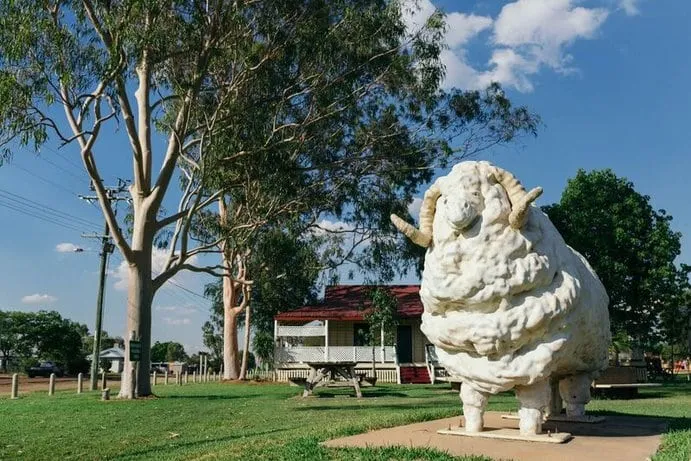
Blackall
Blackall, located in Central Western Queensland, offers a unique opportunity for students to immerse themselves in rural and remote health experiences. The JCU Murtupuni Centre for Rural & Remote Health (MCRRH) is dedicated to supporting students during their placements in this distinctive outback community.
Facilities
The Blackall site provides facilities designed to enhance the student experience:
- Accommodation: Students are provided with comfortable, shared accommodation, fully furnished, self-contained facilities to ensure a pleasant stay.
- Teaching Rooms: Modern classrooms equipped to facilitate interactive learning sessions.
- Internet etc. There is free internet access (Eduroam) at the Acacia Street accommodation. There are no computers or printing facilities at the accommodation. The internet data is limited so please restrict personal use to minimal streaming.
- Simulation Clinical Skills Rooms: Advanced simulation rooms to practice and refine clinical skills.
- Video and Teleconferencing Facilities: State-of-the-art communication tools to connect with peers and professionals remotely.
Forms and Documents
All students must complete mandatory pre-placement requirements, including health screening, cultural training, and relevant workplace documentation. Contact our team for details on required forms and compliance documents.
About Blackall
Blackall is steeped in history and culture, offering a variety of attractions:
- Blackall Woolscour: Explore Australia's last remaining steam-operated wool-washing plant, a testament to the region's rich wool industry heritage.
- The Black Stump: Visit the famous marker that signifies the edge of the known world, embodying the Australian expression "beyond the black stump."
- Blackall Aquatic Centre: Relax in the therapeutic artesian spa and swimming pool, offering a unique outback leisure experience.
- Blackall Sculpture Trail: Enjoy an array of public art and sculptures throughout the town, each reflecting aspects of Blackall's cultural and natural history.
Visitor Information
For additional details on local attractions, accommodations, and events, the Blackall Visitor Information Centre is a valuable resource:
- Address: 108 Shamrock Street, Blackall QLD 4472
- Phone: (07) 4657 4637
- Website: Visit Blackall Tambo | Outback Queensland Travel Guide
Operating hours may vary seasonally, so it's advisable to check ahead when planning your visit.
Climate Considerations
Blackall experiences high temperatures from mid-October through March. The optimal time to visit is between April and October, as many attractions, tours, and shows may be limited during the off-peak season.
Embracing a placement in Blackall offers not only academic and professional growth but also an immersive experience in the rich tapestry of outback life, providing a truly unique and rewarding opportunity.
Contact Us
Patti Smith
MCRRH Multi-Disciplinary Training Facilitator
centralwestplacements@jcu.edu.au
0407 427 252
FAQs
How do I get to Blackall
Students drive, fly or bus into Blackall
Is there internet and phone coverage?
Telstra coverage is reliable, but speeds may be slower than metropolitan areas.
What is the cost of living on Blackall?
While accommodation is provided for free, students should budget for food, personal expenses and travel.
Public Transport?
One taxi on limited hours
What should I bring?
- Work attire: Modest, professional clothing suitable for clinical settings (e.g., lightweight, breathable shirts with sleeves, knee-length skirts, or long pants). Scrubs are not acceptable to be worn. Avoid singlets or revealing clothing whilst you are on placement.
- Casual wear: Comfortable, sun-smart clothing for the hot and humid climate. Lightweight, loose-fitting fabrics work best.
- Footwear: Closed-in shoes are required for clinical placements.
- Sun protection: A hat, sunglasses, and high-SPF sunscreen are essential.
For more information or to arrange a placement, contact the MCRRH Multi-Disciplinary Training Facilitator on 0407 427 252 or via email at centralwestplacements@jcu.edu.au. Please refrain from contacting outreach accommodation sites directly.
Winton
Winton, located in Central Western Queensland, provides a distinctive setting for students seeking hands-on experience in rural and remote health. The JCU Centre for Rural & Remote Health (CRRH) extends comprehensive support to students during their placements in this historically rich outback town.
Facilities
The Winton site offers facilities designed to enhance the student experience:
- Accommodation: Students are provided with CWHHS staff accommodation at the Winton Hospital. Facilities are comfortable, fully furnished, self-contained facilities to ensure a pleasant stay.
- Eduroam Wi-Fi: Reliable internet access for academic and personal use.
Forms and Documents
All students must complete mandatory pre-placement requirements, including health screening, cultural training, and relevant workplace documentation. Contact our team for details on required forms and compliance documents.
FAQs
How do I get to Winton
Students drive, fly or bus into Winton.
Is there internet and phone coverage?
Telstra coverage is reliable, but speeds may be slower than metropolitan areas.
What is the cost of living on Winton?
While accommodation is provided for free, students should budget for food, personal expenses and travel.
What should I bring?
- Work attire: Modest, professional clothing suitable for clinical settings (e.g., lightweight, breathable shirts with sleeves, knee-length skirts, or long pants). Scrubs are acceptable to be worn. Avoid singlets or revealing clothing whilst you are on placement.
- Casual wear: Comfortable, sun-smart clothing for the hot and humid climate. Lightweight, loose-fitting fabrics work best.
- Footwear: Closed-in shoes are required for clinical placements.
- Sun protection: A hat, sunglasses, and high-SPF sunscreen are essential.
For more information or to arrange a placement, contact the MCRRH Multi-Disciplinary Training Facilitator on 0407 427 252 or via email at centralwestplacements@jcu.edu.au. Please refrain from contacting outreach accommodation sites directly.
About Winton
Winton is renowned for its rich cultural heritage and unique attractions:
- Australian Age of Dinosaurs Museum: Home to the world's largest collection of Australian dinosaur fossils, offering a glimpse into the prehistoric past.
- Waltzing Matilda Centre: The only museum dedicated to a song, celebrating Banjo Paterson's iconic "Waltzing Matilda," which was first performed in Winton.
- Royal Theatre: One of Australia's last open-air picture theatres, providing a nostalgic cinematic experience under the stars.
- Musical Fence: An interactive installation where visitors can play tunes on a fence, reflecting the town's creative spirit.
- Bladensburg National Park: Offering scenic landscapes and insights into the region's natural history, perfect for nature enthusiasts.
Visitor Information
For additional details on local attractions, accommodations, and events, the Winton Visitor Information Centre is a valuable resource:
- Address: 50 Elderslie Street, Winton QLD 4735
- Phone: (07) 4657 1466
- Email: waltzing@matildacentre.com.au
Operating hours may vary seasonally, so it's advisable to check ahead when planning your visit.
Climate Considerations
Winton experiences high temperatures from mid-October through March. The optimal time to visit is between April and October, as many attractions, tours, and shows may be limited during the off-peak season.
Embarking on a placement in Winton offers not only academic and professional growth but also an immersive experience in the rich tapestry of outback life, providing a truly unique and rewarding opportunity.
Contact Us
Patti Smith
MCRRH Multi-Disciplinary Training Facilitator
centralwestplacements@jcu.edu.au
0407 427 252
Barcaldine
Barcaldine, situated in Central Western Queensland, offers students a unique opportunity to immerse themselves in rural and remote health experiences. The JCU Murtupuni Centre for Rural & Remote Health (MCRRH) is committed to supporting students during their placements in this historically significant outback town.
Facilities
The Barcaldine site provides facilities designed to enhance the student experience:
- Accommodation: Comfortable, fully furnished, self-contained shared facilities to ensure a pleasant stay.
- Internet etc. There is free internet access (Eduroam) at the Fir Street accommodation. There are no computers or printing facilities at the accommodation. The internet data is limited so please restrict personal use to minimal streaming.
Forms and Documents
All students must complete mandatory pre-placement requirements, including health screening, cultural training, and relevant workplace documentation. Contact our team for details on required forms and compliance documents.
FAQs
How do I get to Barcaldine
Students drive, fly or bus into Barcaldine. There is no public transport in Barcaldine.
Is there internet and phone coverage?
Telstra coverage is reliable, but speeds may be slower than metropolitan areas.
What is the cost of living on Winton?
While accommodation is provided for free, students should budget for food, personal expenses and travel.
Public Transport
No public transport in Barcaldine
What should I bring?
- Work attire: Modest, professional clothing suitable for clinical settings (e.g., lightweight, breathable shirts with sleeves, knee-length skirts, or long pants). Scrubs are acceptable to be worn. Avoid singlets or revealing clothing whilst you are on placement.
- Casual wear: Comfortable, sun-smart clothing for the hot and humid climate. Lightweight, loose-fitting fabrics work best.
- Footwear: Closed-in shoes are required for clinical placements.
- Sun protection: A hat, sunglasses, and high-SPF sunscreen are essential.
For more information or to arrange a placement, contact the MCRRH Multi-Disciplinary Training Facilitator on 0407 427 252 or via email at centralwestplacements@jcu.edu.au. Please refrain from contacting outreach accommodation sites directly.
About Barcaldine
Barcaldine is rich in history and culture, offering a variety of attractions:
- Tree of Knowledge Memorial: A tribute to the 1891 shearers' strike, this preserved ghost gum symbolizes the birth of the Australian Labor Party.
- Australian Workers Heritage Centre: A museum dedicated to celebrating the history and contributions of Australian workers.
- Barcaldine and District Historical Museum: Showcases the region's history through a collection of artifacts and exhibits.
- Barcaldine Water Tower: Offers panoramic views of the town and surrounding landscapes.
Visitor Information
For additional details on local attractions, accommodations, and events, the Barcaldine Visitor Information Centre is a valuable resource:
- Address: 149 Oak Street, Barcaldine QLD 4725
- Phone: (07) 4651 1724
- Email: tourism@barc.qld.gov.au
Operating hours may vary seasonally, so it's advisable to check ahead when planning your visit.
Climate Considerations
Barcaldine experiences high temperatures from mid-October through March. The optimal time to visit is between April and October, as many attractions, tours, and shows may be limited during the off-peak season.
Embarking on a placement in Barcaldine offers not only academic and professional growth but also an immersive experience in the rich tapestry of outback life, providing a truly unique and rewarding opportunity.
Contact Us
Patti Smith
MCRRH Multi-Disciplinary Training Facilitator
centralwestplacements@jcu.edu.au
0407 427 252
Alpha
Alpha Multipurpose Health Service, located in Alpha, Queensland, offers a comprehensive range of healthcare services to the local community. These services include emergency care, primary health services, visiting allied and mental health services, ambulance services, and residential aged care.
Facilities
The Alpha Multipurpose Health Service accommodate students in the Staff accommodation. Alpha site provides facilities designed to enhance the student experience:
- Accommodation: Comfortable, fully furnished, self-contained facilities to ensure a pleasant stay.
Forms and Documents
All students must complete mandatory pre-placement requirements, including health screening, cultural training, and relevant workplace documentation. Contact our team for details on required forms and compliance documents.
FAQs
How do I get to Alpha
Students drive, fly or bus into Alpha. There is no public transport in Alpha.
Is there internet and phone coverage?
Telstra coverage is reliable, but speeds may be slower than metropolitan areas.
What is the cost of living on Alpha?
While accommodation is provided for free, students should budget for food, personal expenses and travel. Food at the local shop is expensive.
Public Transport
No public transport at Alpha.
What should I bring?
- Work attire: Modest, professional clothing suitable for clinical settings (e.g., lightweight, breathable shirts with sleeves, knee-length skirts, or long pants). Scrubs are acceptable to be worn. Avoid singlets or revealing clothing whilst you are on placement.
- Casual wear: Comfortable, sun-smart clothing for the hot and humid climate. Lightweight, loose-fitting fabrics work best.
- Footwear: Closed-in shoes are required for clinical placements.
- Sun protection: A hat, sunglasses, and high-SPF sunscreen are essential.
For more information or to arrange a placement, contact the MCRRH Multi-Disciplinary Training Facilitator on 0407 427 252 or via email at centralwestplacements@jcu.edu.au. Please refrain from contacting outreach accommodation sites directly.
Contact Us
Patti Smith
MCRRH Multi-Disciplinary Training Facilitator
centralwestplacements@jcu.edu.au
0407 427 252
Navigation
Social
A Commonwealth funded Department of Rural Health
in collaboration with: